BERNARDO SANA
VITAE · ISSUE 01
VITAE ISSUE No. 01  ·  AUG 2026

Bernardo
Sana

Senior Software Engineer, Front-End & AI Systems

  • Architected UI frameworks used across Microsoft's Fortune 500 platforms.
  • Took consumer products from concept to production, alone.
  • Fifteen-plus years across enterprise giants and scrappy startups.
  • Builds fast, reliable software, and calls himself a builder first.
SWIPE OR CLICK TO BEGIN →
The Profile 02

A builder who happens to hold an engineering title, not the other way around.

Bernardo Sana
Bernardo Sana

For more than fifteen years, Bernardo has built software at both ends of the spectrum, the sprawling scale of Microsoft and the exposed nerve of one-person startups. As a senior engineer, he has architected front-end frameworks meant to hold up under Fortune 500 weight, while at home he has shipped consumer products from a blank page to something strangers actually use. Lately, that same instinct has turned toward AI, automating the unglamorous work so ideas can move faster into the world.

The habit traces back to 2014, when he spent nights and weekends teaching himself 3D printing and building a product called Fabrify entirely alone, while still working full-time at Microsoft. It failed as a business. But it taught him what carrying an idea from concept to something real actually requires, the design choices, the tedious middle, the parts no one sees. He has thought of himself as a builder first ever since, the title always a footnote.
Top Skills
Front-End Development Full-Stack Development Artificial Intelligence (AI)
United States·bernardo_sana@hotmail.com·www.linkedin.com/in/bernardo-sana
Feature — 2002-2005 03

Building Inside the Razr

In Brazil, a young engineer led a five-person team building Bluetooth for one of the decade's iconic phones.

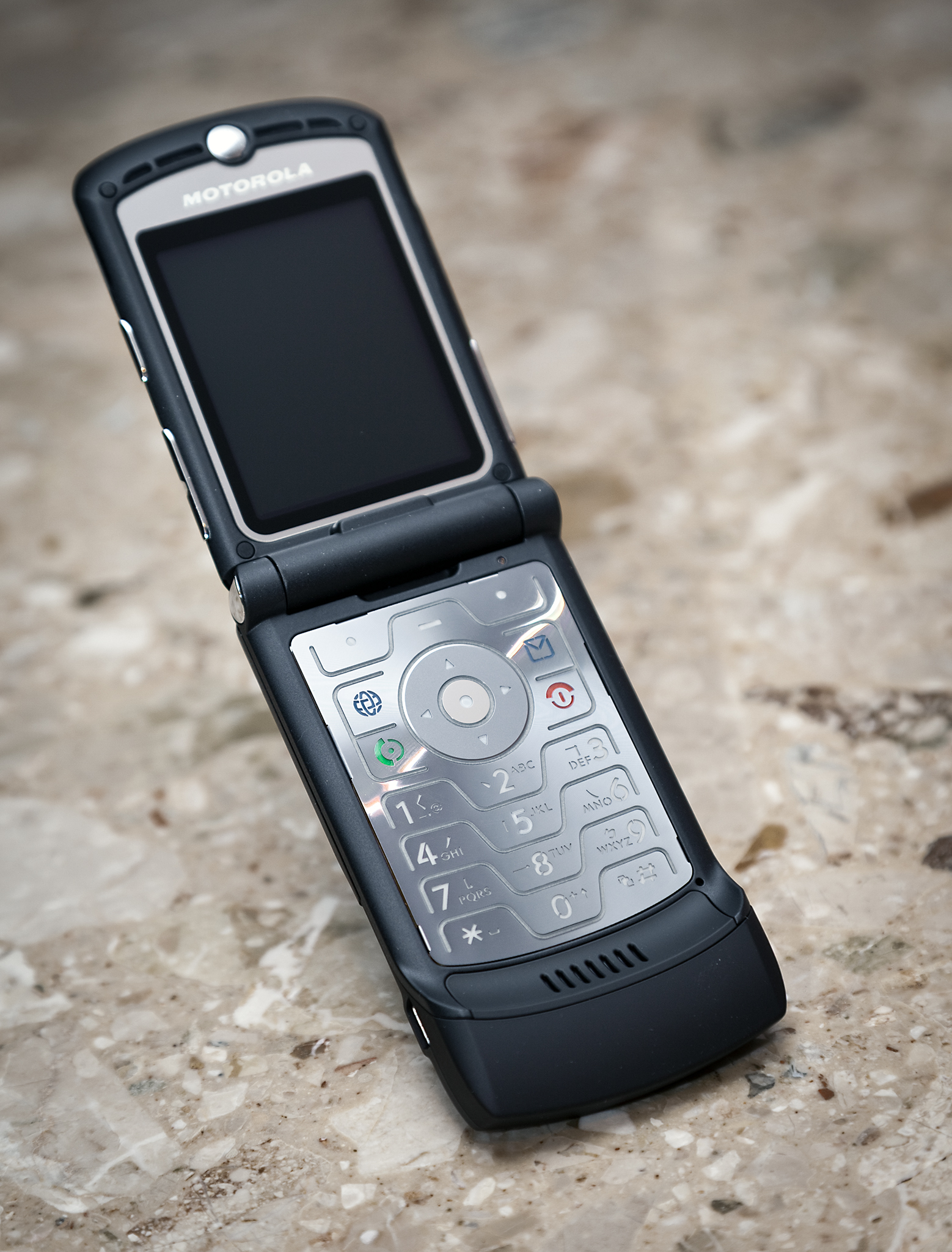
The Motorola RAZR V3 - the iconic flip phone whose Bluetooth stack Bernardo Sana's team helped build at Instituto de Pesquisas Eldorado

Bernardo Sana's career began not in front-end frameworks or AI platforms but in the wiring of embedded systems, at Instituto de Pesquisas Eldorado in Brazil. Across three years there, he moved through a string of telecom and embedded projects, the kind of close-to-the-hardware work that leaves little room for abstraction and demands precision at every layer.

The defining assignment came through a joint venture with Motorola: developing the Bluetooth Cordless Telephone Profile for the Razr platform, one of the decade's most recognizable phones. Sana led a team of five engineers on the effort, an early lesson in shipping for a product whose success would hinge on details most users would never notice.

5Engineers led
3Years at Eldorado
“He led five engineers on the Bluetooth work behind one of the era's most iconic phones.” Motorola Razr project, 2002-2005
Feature — Microsoft, 2006-2015 04

Finding a Voice

Nine years, three roles, and the discovery of a technology that would follow him for decades.

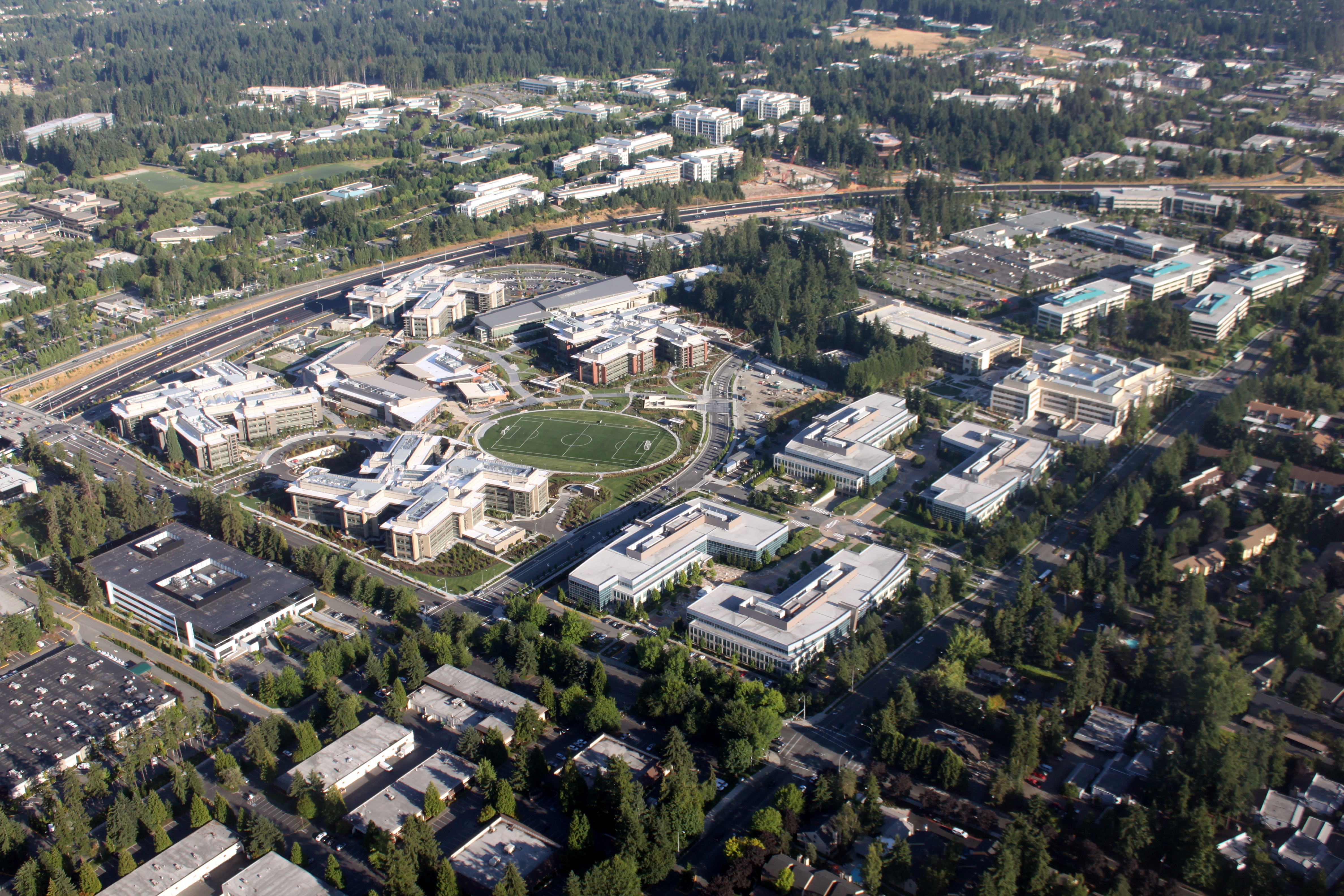
Aerial view of Microsoft's west campus in Redmond, Washington, August 2009

Sana joined Microsoft in 2006 as a test engineer on the Exchange Unified Messaging team, writing specifications and building VoIP automation frameworks for the young service. Two years in, he moved into program management, leading feature planning for speech-recognition and voice-driven experiences, work that quietly set a course for much of what followed. He also took the stage at Microsoft TechFest, presenting demos to audiences of more than a hundred customers.

By 2011 he was back to hands-on engineering, now on SharePoint and OneDrive, building internal tools to provision SharePoint Online and serving as a core engineer on a joint project with the Bing team that cut latency between client browsers and SharePoint across Office 365. The path ran from testing to program management to engineering again, but the throughline was quieter: a fascination with speech technology that would resurface, years later, in his work on AI.

9 yearsat Microsoft, across three roles
100+customers addressed at TechFest
“Work that sparked a long-term passion for speech technologies.” Exchange Unified Messaging, 2008-2011
Feature — Nights and Weekends, 2012 05

Memoraniac!

A speech-controlled memory game, built alone after hours, took first prize at Microsoft.

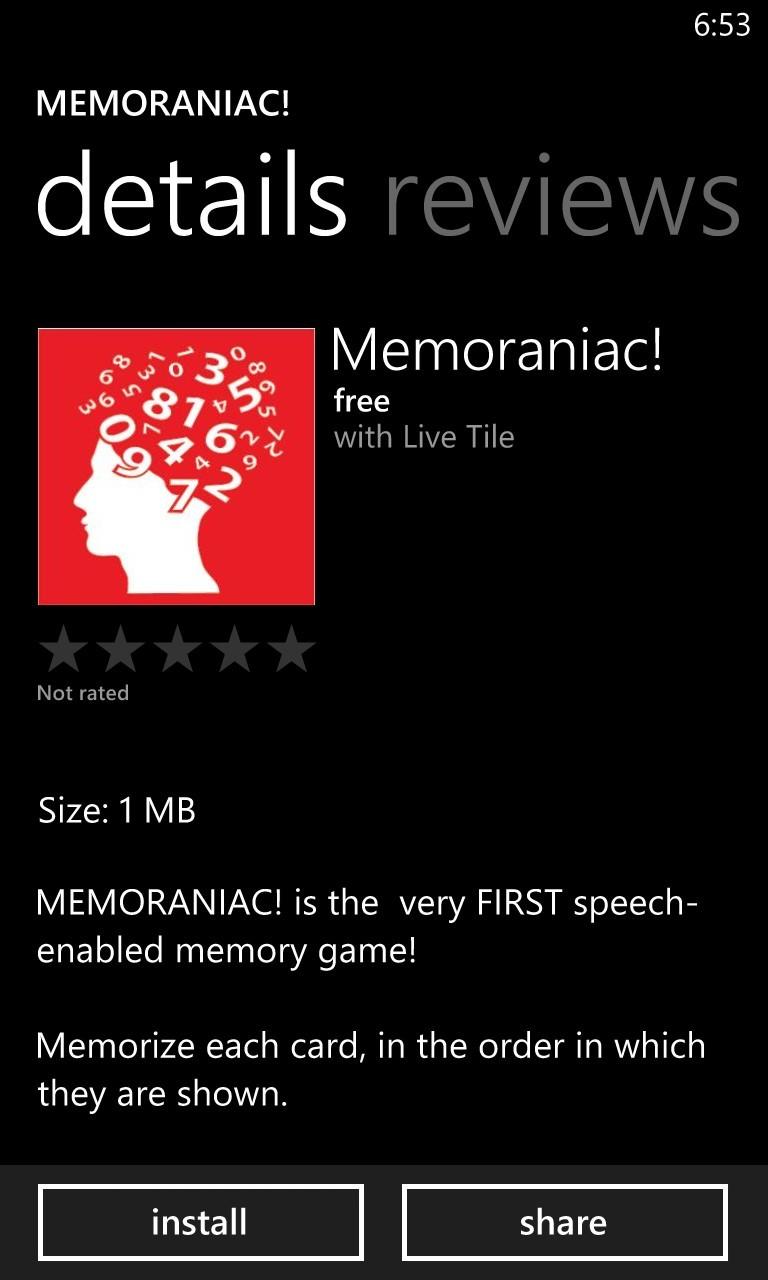
The Memoraniac! Windows Phone Store listing, and its tile on Bernardo's own Windows Phone 8 home screen

While the day job had him deep in speech recognition for Exchange, Sana spent his evenings on something smaller and entirely his own: a memory game for Windows Phone 8, controlled by voice. He designed the gameplay, the interface, and the speech model himself, with no team and no mandate beyond curiosity.

Memoraniac! went on to win first prize in an internal Microsoft contest and drew genuine enthusiasm from outside reviewers, an early proof that the instincts he'd later bring to founder-track work were already there, quietly, on the side.

1stPrize, internal Microsoft contest
2012Windows Phone 8 era
Feature — 2014-2015 06

One Founder, Every Layer

A 3D-printing marketplace conceived, built, and sold by one person, after hours.

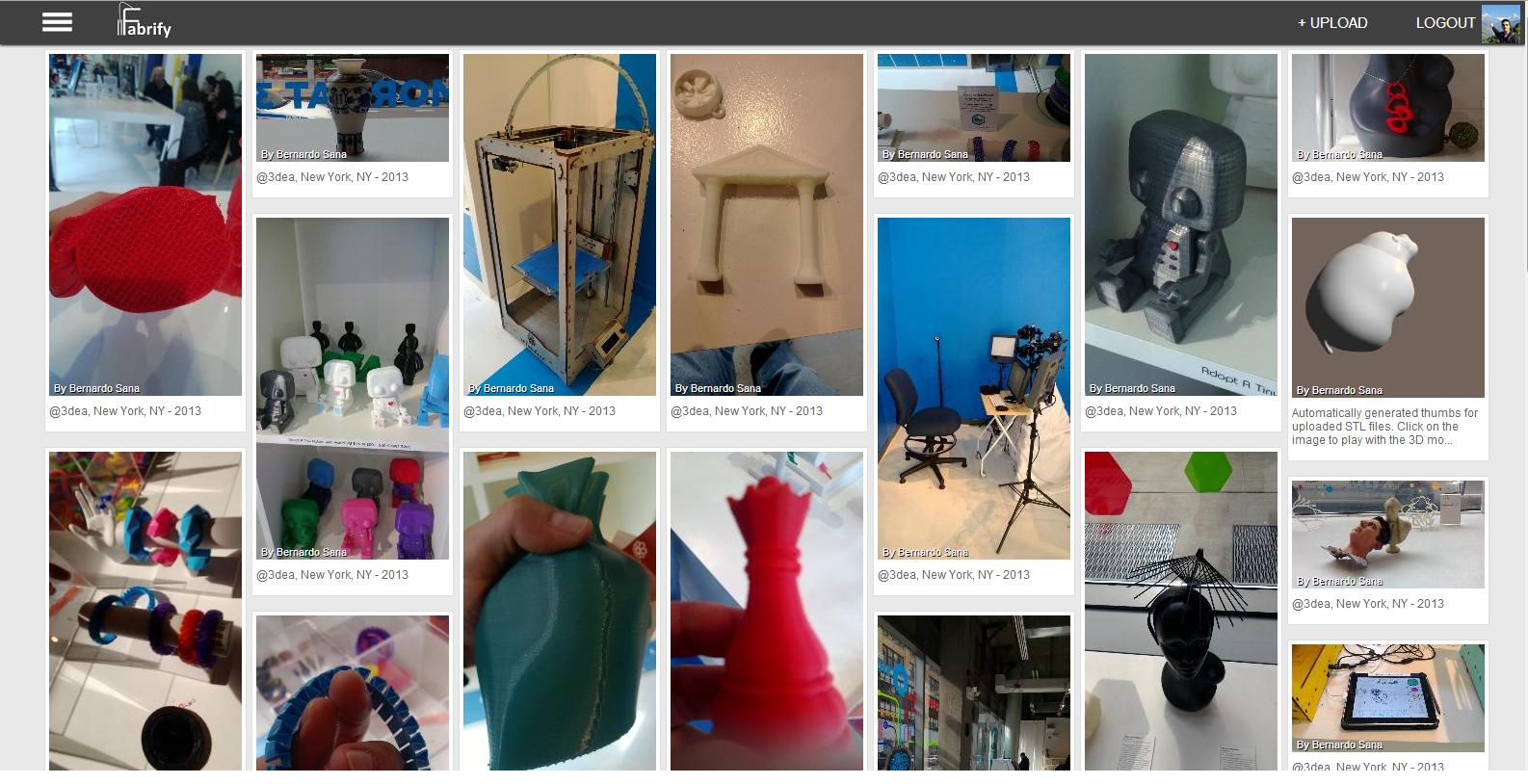
In 2014, while employed full-time at Microsoft, Bernardo Sana started building Fabrify on the side. The idea was a marketplace for 3D-printed goods. What followed was a year of nights and weekends spent doing every job a startup usually splits among a team: designing the experience, writing the front end and the backend, and getting it all into production.

Fabrify - the marketplace gallery of user-uploaded 3D printed objects, live in 2014

There was no team to hand things off to and no round of funding to buy time. Fabrify launched and reached paying customers within a year, entirely on Sana's own effort. It stands as an early marker of the instinct that would define his career: build the whole thing, and build it yourself.

1founder, start to finish
12 mo.idea to commercial launch
“Built after hours. Shipped like it wasn't.” On building Fabrify alone
Feature — 2015-2021 07

Two Startups, Both Acquired

Six years away from Microsoft, building full-stack at two companies that both got bought.

In 2015 Sana left Microsoft for Workpop, a Santa Monica startup building a hiring platform. The work was full-stack and front-end-heavy: messaging chat, email services, cron-based workflows, and most of the site's user-facing pages, the kind of broad ownership that a small, growing team demands. Workpop was later acquired by Cornerstone.

Three years later he joined InVisionApp, the design collaboration company eventually acquired by Miro. Working in Golang, ReactJS, NodeJS, and GraphQL, he built end-to-end features, API integrations, and internal tooling for a high-traffic platform, working closely with designers and product managers to ship polished, considered user experiences across the product suite.

2startups, both later acquired
6years building full-stack
“Collaborated closely with designers and product managers to deliver polished, high-quality user experiences.” InVisionApp, 2018-2021
Feature — Return to Microsoft, 2021-2022 08

Building Surface in 3D

After six years away, a return to Microsoft to lead a platform launch spanning three markets and a browser.

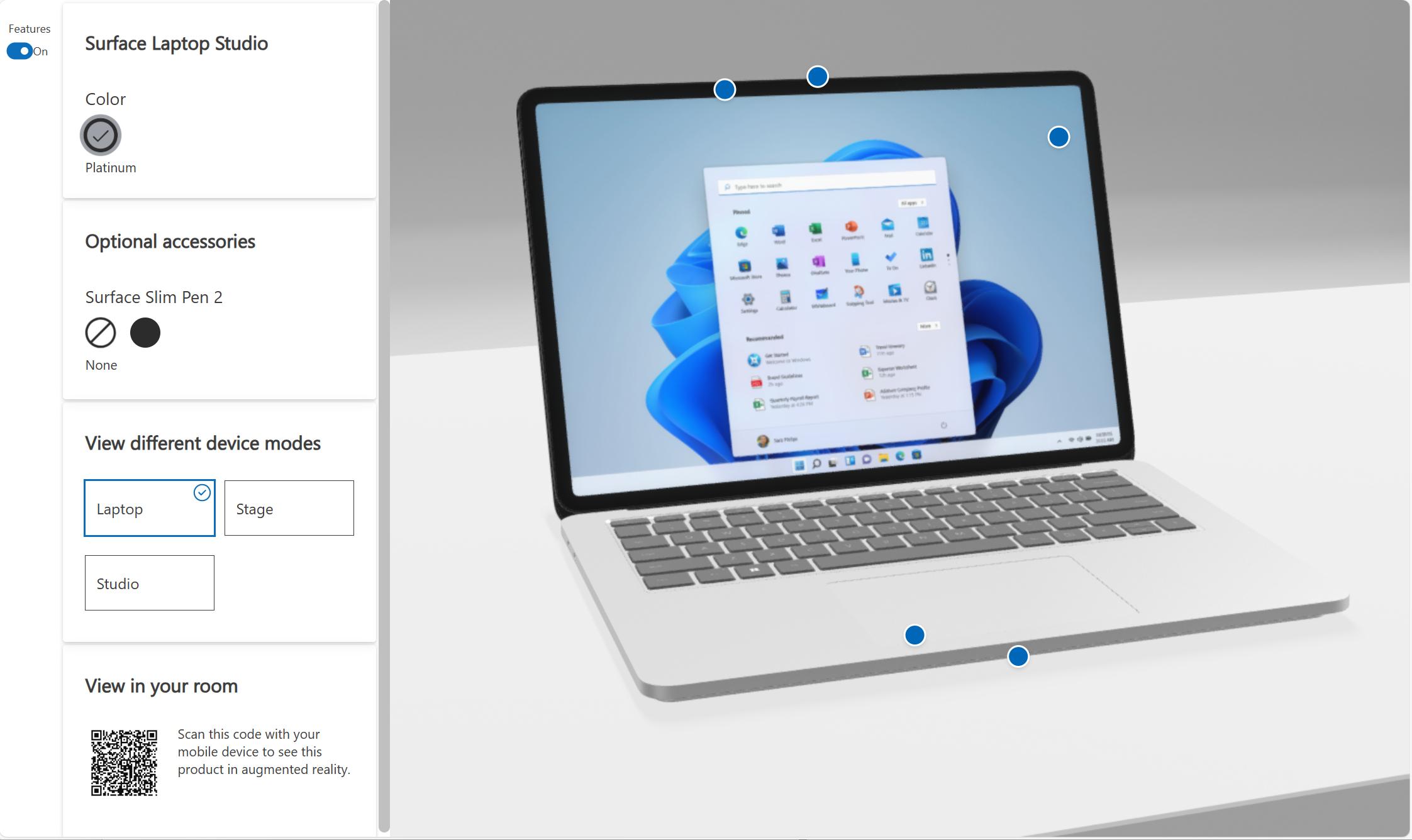
Shop in 3D - Surface Laptop Studio configurator with view-in-your-room AR mode

Sana came back to Microsoft in 2021 to lead engineering on the Digital Store platform, building a multi-market solution from scratch for the U.S., Japan, and China. It was his job to take it from concept to launch, coordinating the full stack while mentoring two junior engineers through front-end architecture and shared-component workflows along the way.

The centerpiece was Shop in 3D, a modular web widget for exploring Surface devices, hosted end to end in Azure. React and server-rendered Node handled the front end, .NET C# powered the APIs, and a BabylonJS player rendered the 3D models themselves. Thousands of customers now use it daily, a small, quietly persistent piece of how people shop for Surface.

3markets launched: US, Japan, China
1000sdaily users of Shop in 3D
Feature — Microsoft, 2022-2024 09

Building the Testing Ground

A quiet integration project that gave Microsoft China the tools to experiment, and helped launch Surface worldwide.

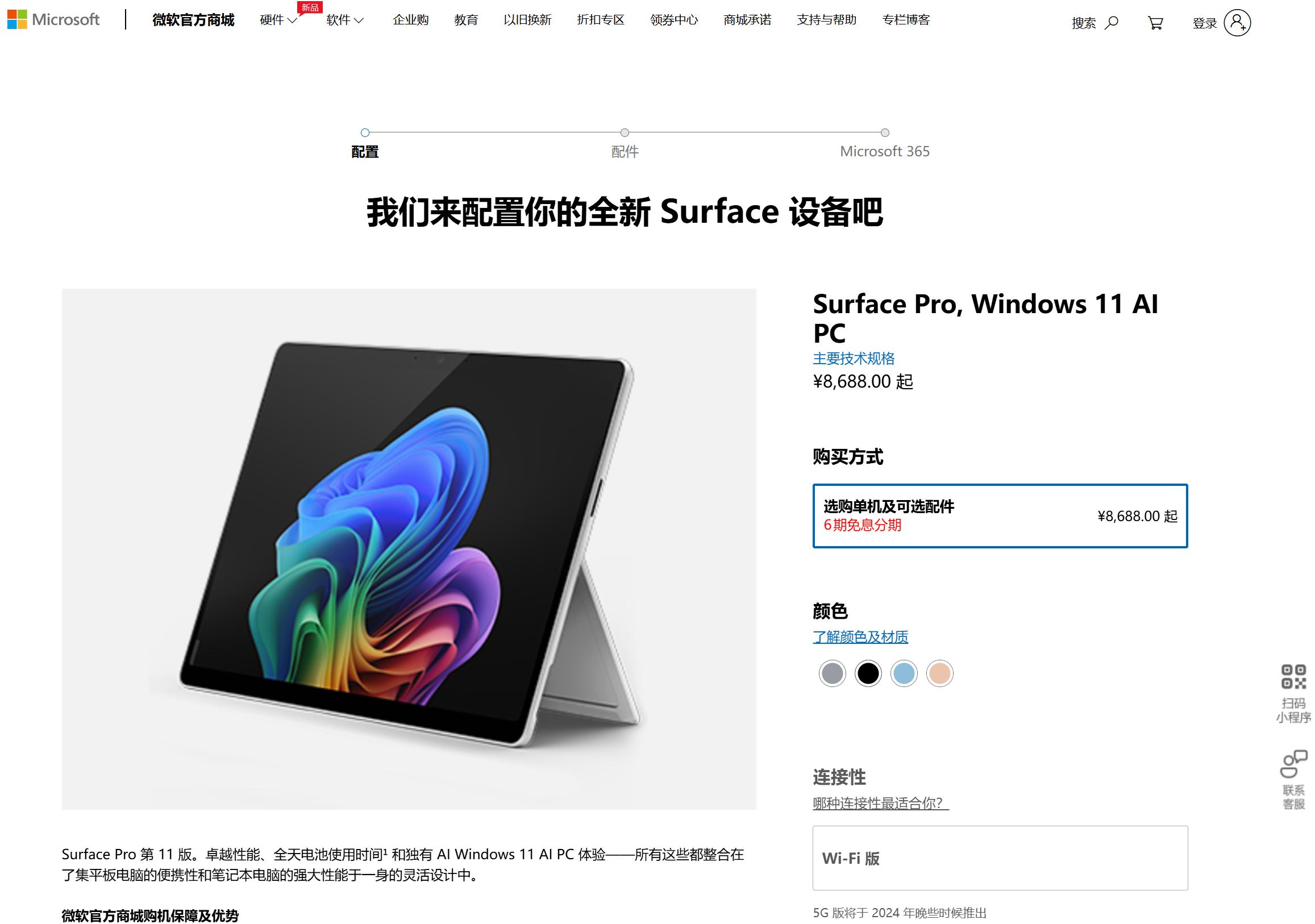
Microsoft China Store - Surface Pro configurator (Chinese storefront)

For nearly two years, Sana worked on a problem that rarely makes headlines but shapes everything downstream of it: how a platform learns what works. He designed the integration between Microsoft's internal Experiences Platform and Adobe Magento 2, giving the Microsoft China Store team the ability to flight features and run A/B tests across multiple experiments at once.

The work sat squarely at the intersection of infrastructure and experimentation, built in PHP and Magento, with ReactJS and .NET C# App Services rounding out the stack. It was unglamorous by design. But the testing framework it enabled became part of the core infrastructure supporting the global launch of Microsoft Surface devices, a reminder that big launches are often carried by small, careful decisions made months earlier.

Feature — Microsoft, 2024-2025 10

The AI Inflection

A hackathon idea, a search overhaul, and two pending patents mark a turn toward serious applied AI work.

In his first months in Marketing Engineering, Sana integrated Azure AI Search into Microsoft.com's Customer Stories platform, reshaping how visitors found and engaged with the site's content. Story Clicks rose 810 percent. Search Utilization climbed 527 percent. That same year, he proposed and led a hackathon project to generate AI summaries for Microsoft's search pages, an idea that made it to production and lifted click-through rates by 10 percent.

The work continued with the Marketing Assistant, a tool for turning white papers and eBooks into finished marketing emails and campaign pages. Sana built its AI inference layer using Semantic Kernel, Azure AI Search, and Azure OpenAI, orchestrating a pipeline that could read a source document and write from it. The approach has since been submitted for two separate patents.

810%increase in Story Clicks
2patents pending
“A hackathon idea, shipped to production, became a permanent fixture of Microsoft search.” Marketing Engineering, 2024
Feature — 2025-Present 11

Architecture, and the Agents That Follow

At Xbox, a shared component platform and a fleet of autonomous agents are redefining how fast software can move.

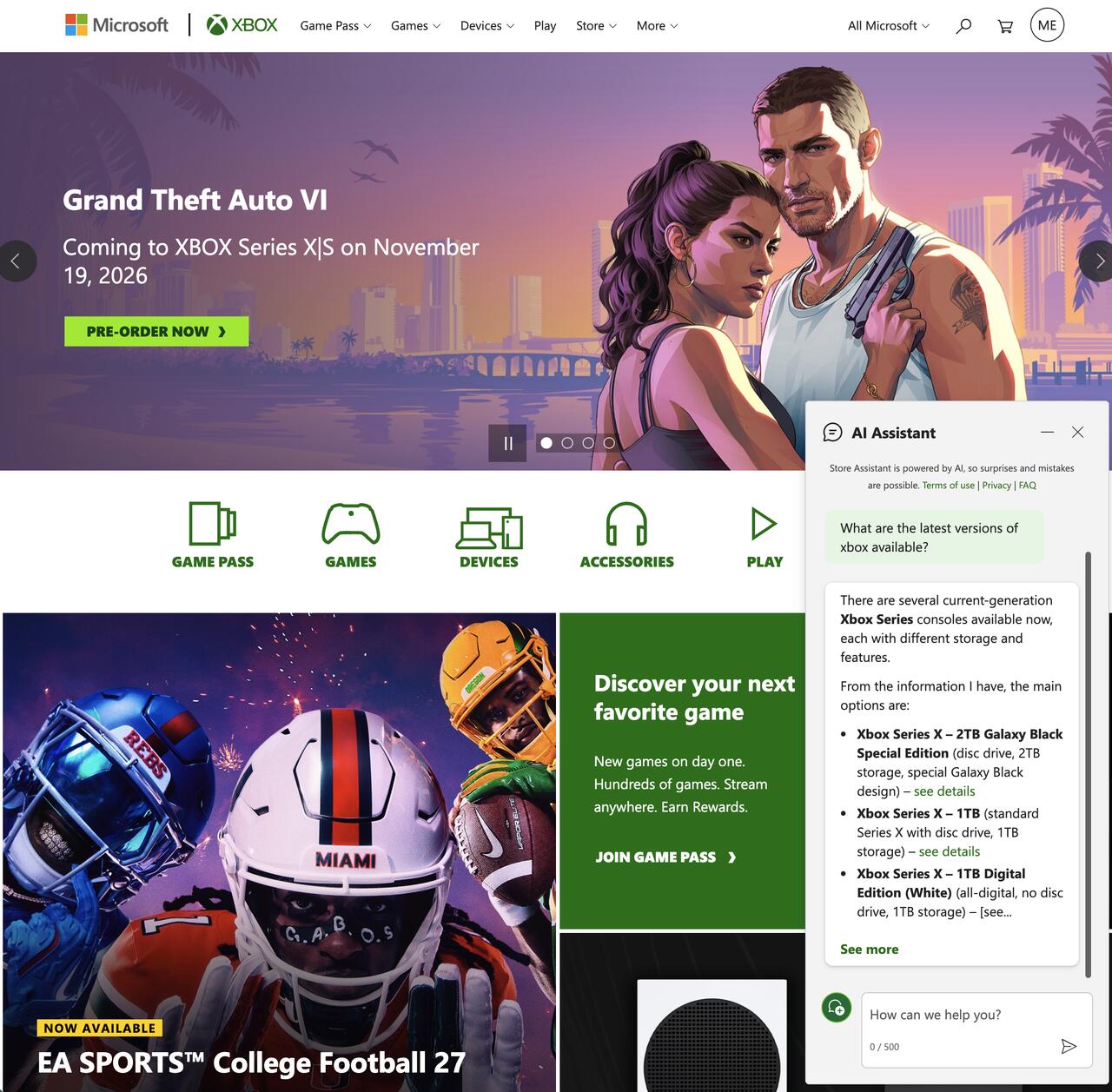
Sana's current work began with a rebuild. He restructured the Store Assistant's interface into a shared, theme-aware component platform, replacing duplicated code with one system deployable across Microsoft Store, Xbox, Windows, and Surface. It was a foundation-laying move, one built less for the feature in front of him than for the years of iteration to follow.

The Store Assistant, live on Xbox.com

The technical gains followed quickly. Feature-flag orchestration and chain-of-thought rendering gave the assistant new flexibility, while a fix to a long-standing networking-cache defect cut bandwidth per request from hundreds of kilobytes to roughly one. A modernized rendering pipeline and mobile optimizations pushed engagement up by more than half.

Increasingly, Sana's tools build the tools. He raised automated test coverage from about 10 percent to 76 percent using AI-driven workflows, then built autonomous agents, powered by Chrome MCP and a suite of Storybooks, that carry tickets from analysis through planning, implementation, and testing. The assistant, once a single feature, is now a scalable, multi-tenant platform readying itself for new markets.

76%automated test coverage, up from ~10%
~1KBbandwidth per request, down from hundreds of KB
50%+increase in user engagement
4platforms unified under one component system
“Architectural improvements and AI-driven automation enabled rapid feature expansion, multi-tenant support, and readiness for new markets and surfaces.” On the Store Assistant's evolution
The Long View 12

Two Decades of Building

  • October 2002 – September 2005Lead Software EngineerInstituto de Pesquisas Eldorado
  • October 2006 – November 2008Software Developer | Exchange ServerMicrosoft
  • November 2008 – December 2011Technical Program Manager II | Exchange ServerMicrosoft
  • December 2011 – June 2015SharePoint | Software Developer Engineer IIMicrosoft
  • Founder & DeveloperMemoraniac!
  • July 2014 – July 2015Founder & DeveloperFabrify
  • June 2015 – April 2018Full Stack Software EngineerWorkpop, Inc. (acquired by Cornerstone)
  • July 2018 – March 2021Senior Software EngineerInVisionApp (acquired by Miro)
  • April 2021 – October 2022Lead Senior Software Engineer | Microsoft Digital StoreMicrosoft
  • November 2022 – September 2024Senior Software Engineer | Microsoft China StoreMicrosoft
  • September 2024 – December 2025Senior Software Engineer | Marketing EngineeringMicrosoft
  • December 2025 – PresentSenior Software Engineer | XboxMicrosoft
Recognition 13

Patents

Multimodal Telephone Calls
US008559606B2 20120140908 — Issued Oct 15, 2013

Techniques to normalize names efficiently for name-based speech recognition grammars
US8990080B2 20130197906 — Issued Mar 24, 2015

Honors

1st Prize - Windows Phone 8 Early Bird, 2012
Co-creator of Memoraniac!, a Windows Phone 8 app that won 1st place in a Microsoft world-wide internal competition.

Education

Master Of Business Administration, Project Management
FGV - Fundação Getulio Vargas, Campinas, SP - Brazil

Bachelor of Engineering, Computer Engineering
Pontifícia Universidade Católica de Campinas, Campinas, SP - Brazil

VITAE

Still building, one product at a time.

bernardo_sana@hotmail.com www.linkedin.com/in/bernardo-sana
ISSUE No. 01 — END
01 / 14